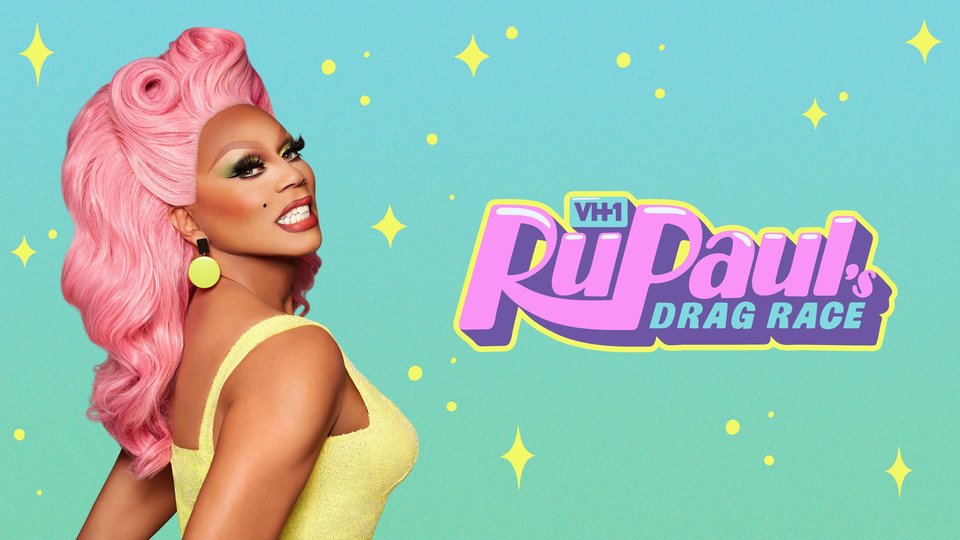
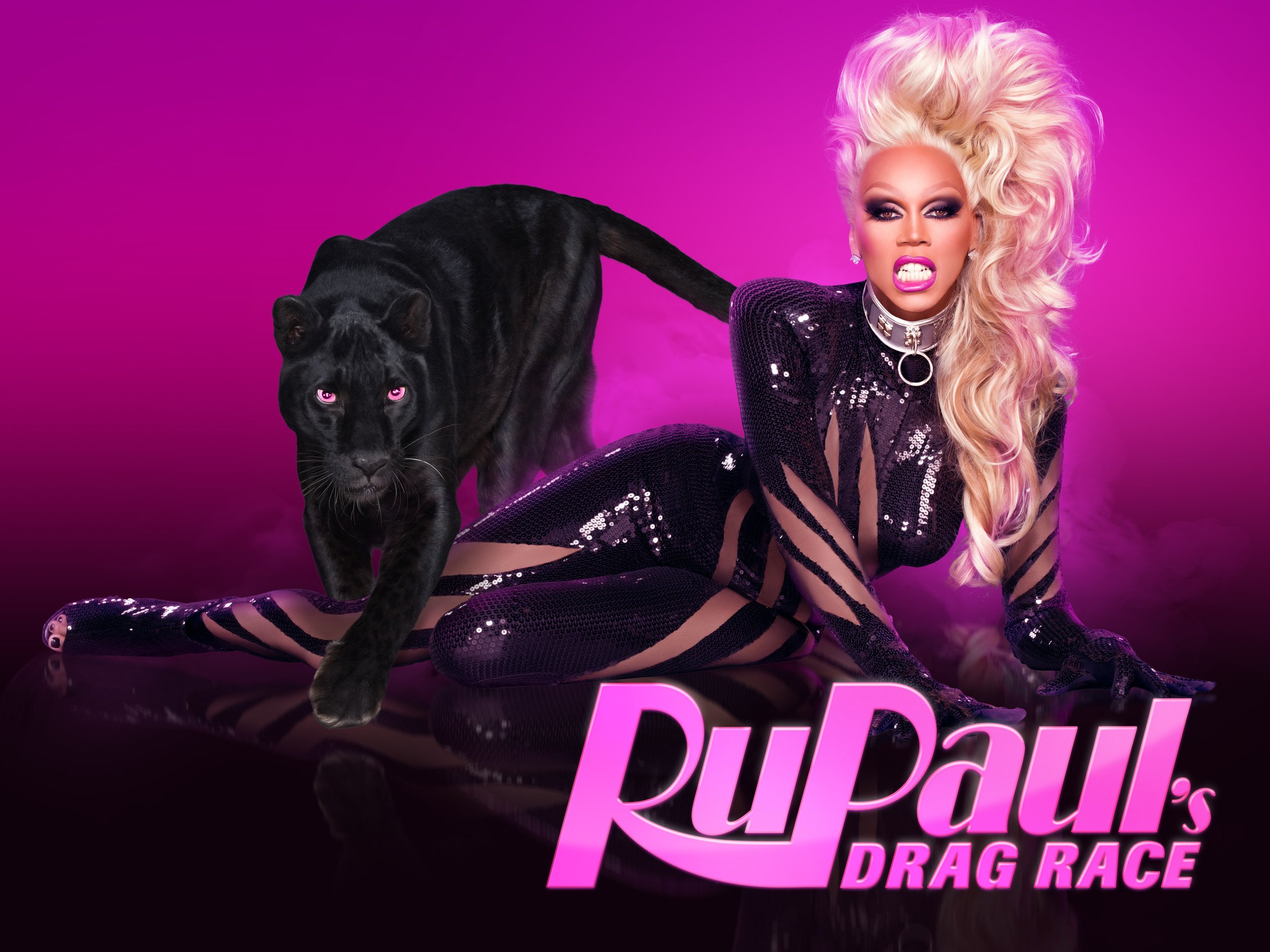
Charisma, uniqueness, nerve and talent are the four characteristics that make up America’s Next Drag Superstar, a title given to the winner of the reality show RuPaul’s Drag Race. A competition show where every season fourteen different gay men, dressed and characterized as a female persona, face different mini and main challenges that involve acting, singing, modeling and designing in order to compete for the title, the crown and one hundred thousand dollars. Over the last eleven years Drag Race has evolved into a franchise and subculture while revolutionizing the art form and exposing it to the world. In this article we will analyze the historical events that led into the forming of the reality show, the influence in today’s world and the future of the drag movement in the next few years.
Chapter 1: Drag History in the United States
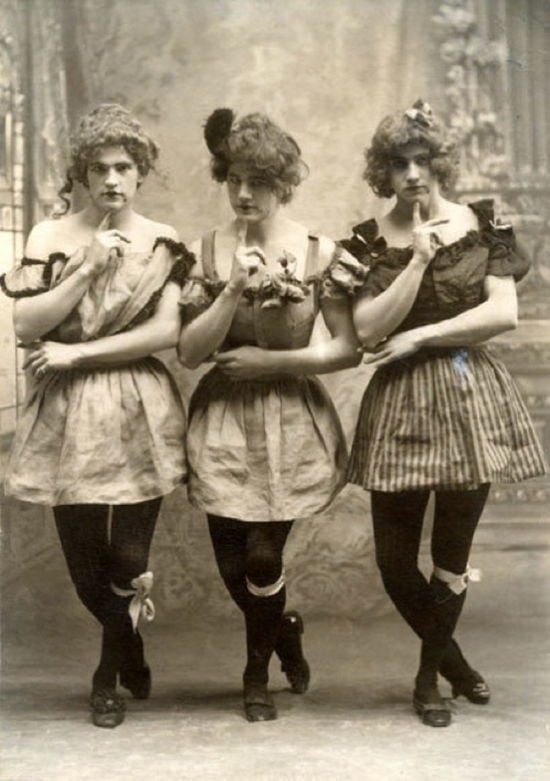
During the late 19th century and early 20th century, before the developing of urban areas and movie theaters in the United States, traveling vaudeville shows were one of the most popular forms of family-friendly entertainment from 1870 to 1920. Drag queens alongside acts of ventriloquists, acrobats and pantomime performances were also popular and considered safe for audiences of all ages. Over the next few decades and as gay men became more comfortable and openly out, drag became linked with homosexuality and transitioned into an underground art form.
A few decades later during the 1920’s and early 1930’s as a result of prohibition and the rise of illicit establishments that sold alcohol, gay men found new private places to congregate away from the law. Large cities like Chicago, New York and San Francisco experienced the rise of bars catered exclusively to gay clientele, along with drag performances. The concept of the modern drag queen was developed in these underground clubs over the next decades. By the 1940’s in film and television female impersonation was given a comedic edge; cross-dressing was portrayed as a punch-line or an object of strangeness.

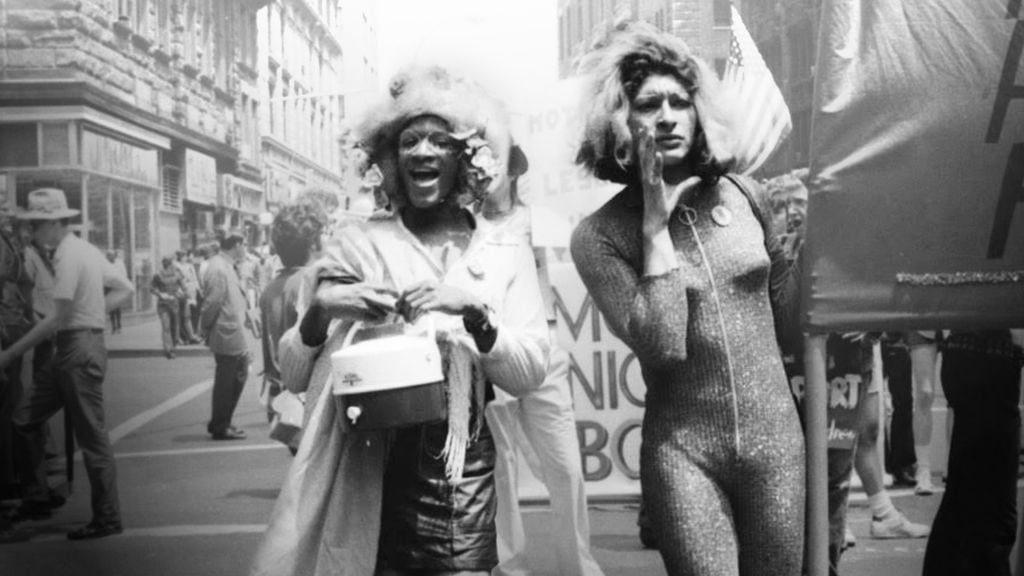
Then from the 1950’s through the 1960’s, police began raiding gay-friendly establishments and enforcing anti-cross-dressing laws where men were legally obligated to wear no fewer than three pieces of male clothing in order to not be arrested for drag . On June 28, 1969 in New York City a police raid at the Stonewall Inn, a gay-friendly establishment, turns violent as patrons, Marsha P. Johnson and Sylvia Rivera two transgender women of color,and local sympathizers begin rioting against the police. This event led to what would later be known as the Stonewall Riots followed by the gay liberation movement, which we now referred to as Gay Pride.
During the 1970’s the gay liberation movement took off and the GLBT Pride parades around the country became a symbol of unity among the queer people of America. The gay liberation movement was supported by queer rising icons of the time like political figure Harvey Milk, movie director John Waters and drag legend Divine. Then by the mid 1980’s a queer subculture known as the Club Kids in New York City started to get recognition by their outlandish lifestyle and extravagant parties. Among the major personalities of the Club Kids were some performers that would later on become gay icons such as drag queens RuPaul, Lady Bunny, Amanda Lepore and queer legends Leigh Bowery, James St. James and Michael Alig.
In 1985 drag queen Lady Bunny, RuPaul’s best friend, “kicks off the world’s most offbeat, sick-adelic (and only) outdoor drag festival Wigstock which continued for the next thirteen years. In 1995 the Wigstock documentary film is released featuring performances by Jackie Beat, Coco Peru and the then proclaimed supermodel of the world RuPaul, who was at the height of his mainstream fame during the 1990’s.
Chapter 2: The Golden Era of Drag
RuPaul was born RuPaul Andre Charles on November 17, 1960, in San Diego, California. RuPaul was the only boy of his parents’ four children, and eventually began wearing his sisters’ clothes and exploring cross-dressing, emulating stars like Diana Ross in his youth. During his teens he moved to Atlanta, Georgia with his sister and her husband. By 1982 he began performing and singing at a local TV show as well as locally with his band RuPaul and the U-Hauls. In the mid 1980’s RuPaul left Atlanta and moved to New York City to join his old Atlanta roommate, Lady Bunny, in her music festival Wigstock.
:format(jpeg):mode_rgb():quality(90)/discogs-images/A-24188-1139868305.jpeg.jpg)
In 1991 RuPaul signed his first recording contract with Tommy Boy Records, launching his debut album titled Supermodel of the World with his hit single “Supermodel (You better work)” which reached the Top 50 of the pop charts and No. 2 on the dance club charts. In 1993 RuPaul collaborated with Elton John on a remake of “Don’t Go Breaking My Heart” which became a Top 10 hit in the United Kingdom. By 1995 RuPaul appeared in a series of films as well as TV shows in the United States including Spike Lee’s Crooklyn, The Brady Bunch Movie, and To Wong Foo Thanks for Everything, Julie Newmar next to Patrick Swayze, Wesley Snipes and John Leguizamo.
:format(jpeg):mode_rgb():quality(40)/discogs-images/R-306860-1426593530-2086.jpeg.jpg)
That same year RuPaul published his first book, an autobiography titled Letting’ All Hang Out; he also signed a modeling contract with MAC cosmetics for the VIVA MAC campaign and landed his own TV Show “The RuPaul Show” on VH1 which aired until 1998. Throughout the next ten years RuPaul continued to appear on television shows, movies and continued producing music. In 2009, during the Obama administration, RuPaul debut the reality TV competition RuPaul’s Drag Race, where he acted as both the host and producer of the show.

RuPaul’s Drag Race was a completely new concept in American television. The show was a combination between America’s Next Top Model and Project Runway, where a group of drag queens from the United States compete in a series of challenges in order to win the title of America’s Next Drag Superstar. Each challenge was inspired by RuPaul’s journey to stardom and often showcased the contestants in similar situations as he faced throughout his upbringing.

The first season of the show, which was later referred to as The Lost Season, based on the fact that it was the pilot show, featured nine drag queens from the United States and Puerto Rico including the winner of the season Bebe Zahara Benet, a Cameroon-French Immigrant based out of Minneapolis, Minnesota, as well as the 2nd runner up, Puerto Rico’s underground legend, Nina Flowers.
Throughout the following nine seasons the popularity of the show increased tremendously among the LGBT and heterosexual communities, not just in the United States but also around the world, creating what is now known as the drag phenomenon. During this time the audience was able to see the evolution of drag through it’s participants representing different aspects of the queer community. For example Season 3 winner Raja as the avant-garde/high fashion girl while season 4 showcased Sharon Needles as the “shock queen” referencing to her dark/goth like aesthetic. Season 6 winner, Bianca del Rio as a Latin-Comedy queen while Violet Chachki from season 7 represents the BDSM and fetish community.
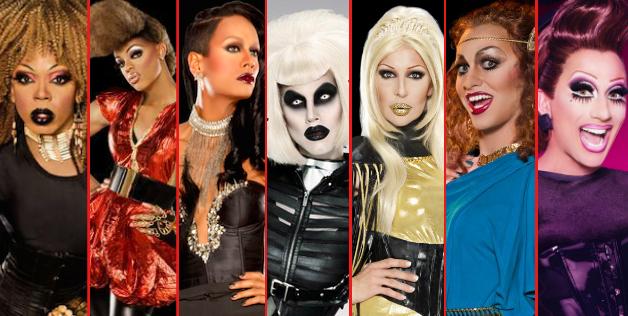
Throughout the eleven years of the show, the Drag Race franchise has also evolved into different forms. First a series of spin-offs directly from the original show like Drag U, a school style show where a group of popular queens from previous seasons give drag makeovers to everyday women. Drag Race All-Stars 1, 2, 3 , 4 and the soon to be released season 5, where another mixed group of popular queens compete once again to become part of the Drag Race hall of fame and Untucked, the after show where the queens await as the judges deliberate who the winner and who the bottom will be on the main stage.
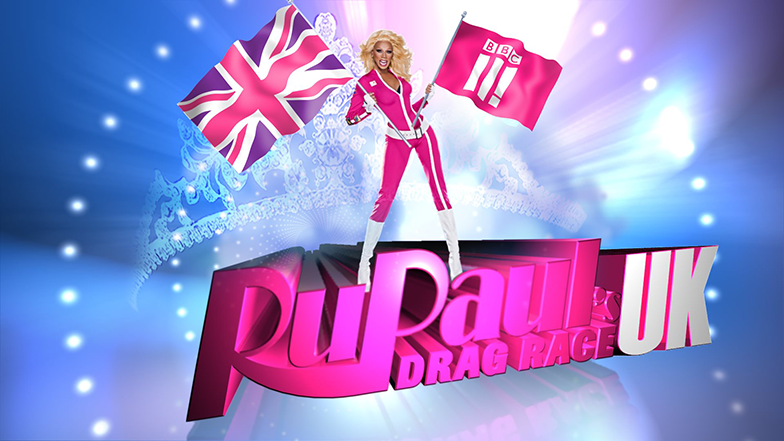
At the same time while the popularity of the show continued to grow worldwide, the franchise started to get exported making its first appearance in Latin America under the name The Switch Drag Race season 1 (2016) and season 2 (2018), where fourteen queens from Chile, Argentina, U.S, Mexico and Spain compete under a somewhat similar format of the American Version of the Show, this being in Spanish of course. Then in 2018 Drag Race Thailand appears making this the first Asian version of the competition. However, this version was filmed with an all-Thai cast going through the same main challenges as well as the scenography from the American Version while speaking a mixture between English and Thai language. And Drag Race UK, which has been announced to air in October 2019.
Another way in which the Drag Race franchise has been able to get closer to its audience is with DragCon. A three-day convention based in Los Angeles and New York featuring discussion panels, merchandise, performances, and in person booths and appearances of queens from all ten seasons. The convention started in 2015 and continues to grow year after year with more queens, bigger spaces and a rapidly growing audience coming in, which represents the overall evolution of the show throughout the years.

Chapter 3: The Influence of Drag in Mainstream Culture
Aside from the cultural movement that Drag Race has become among the LGBT community around the world, the phenomenon has also crossed over to the mainstream culture in ways that perhaps are not as obvious to the common eye but clear to those who follow the show. For example, at the end of every episode of RuPaul’s Drag Race the bottom two queens face elimination in what is call a “Lip-sync for your life” battle, which has become the most anticipated part of the show. During the battle the bottom two queens perform a song previously given to them in front of the judging panel. Through the lip-sync the viewers experience the talent of America’s finest drag queens.
In 2015 Paramount Networks, formerly known as Spike, debut the music reality show “Lip Sync Battle” a show hosted by rapper LL Cool J where two different Hollywood celebrities individually perform a lip-sync of popular mainstream songs. Throughout the show the celebrities do an entire performance characterized as a singer. For example, Channing Tatum as Beyonce, Zendaya as Erykah Badu or Joseph Gordon-Levitt as Janet Jackson. Making this a clear representation of the art form of Drag crossing over to a more general audience as well as the concept that had been previously created by RuPaul on his reality show.
Another way in which Drag Race has influence mainstream culture is through cosmetics. Prior to the airing of the show, the makeup techniques known as “contouring” and “baking” used by drag queens in order to feminize the masculine features of the face were unknown among the general population of makeup consumers. However, after the airing of the technique on RuPaul’s Drag Race, celebrities like Kim Kardashian and the Kardashian clan started to use it and promoting it on Social Media making this a major trend among cosmetic users.
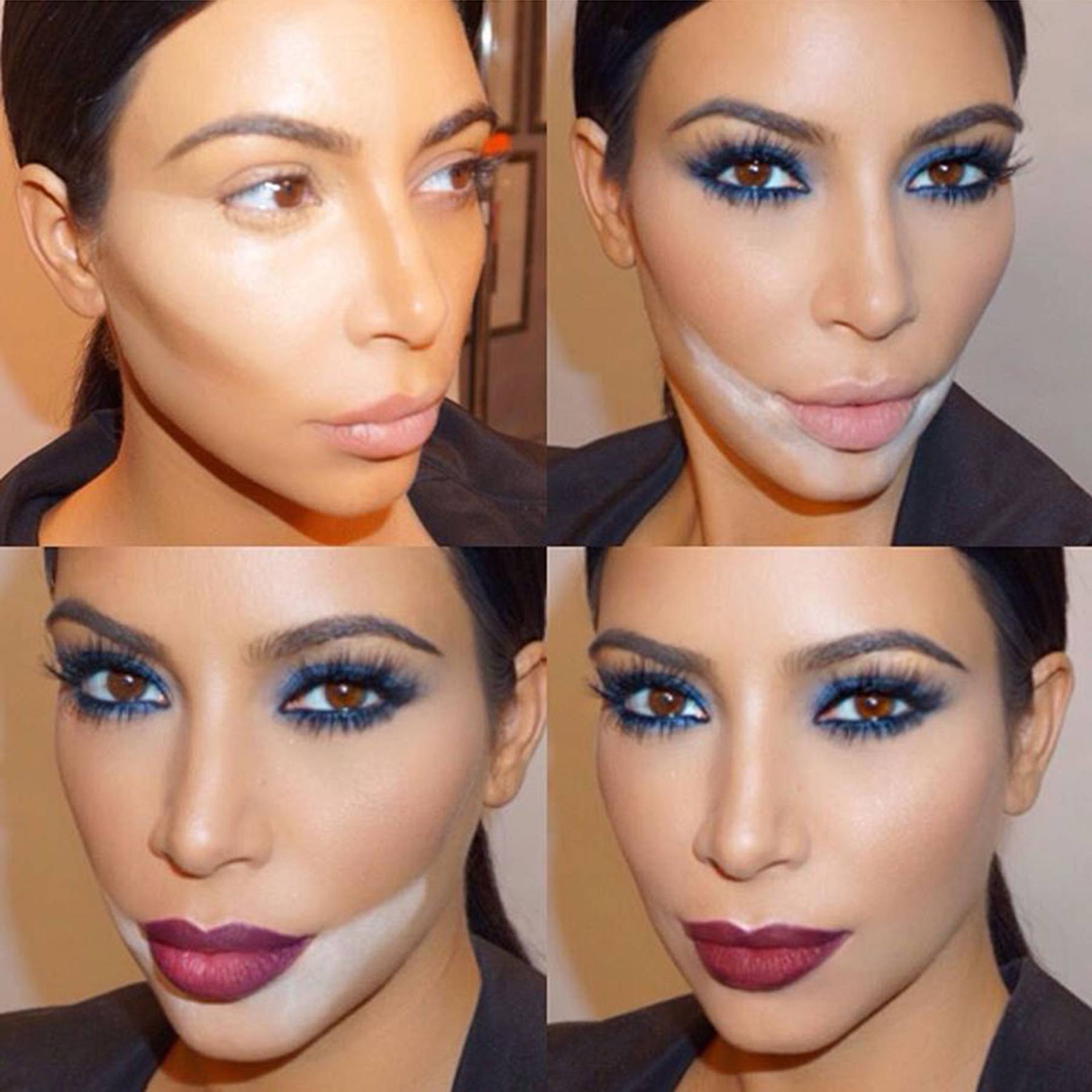
Aside from celebrities bringing awareness of drag make up to the mainstream, lifestyle magazines such as Vogue, Glamour and Elle have featured multiple popular drag queens from the Drag Race franchise through their different platforms providing makeup tutorials, tips and product feedback. Which has become a major source of influence towards sales of cosmetics worldwide for the companies advertised by the queens as well as for the magazines that featured them.
In terms of language, Drag Race has also added vocabulary to current slang. For example, the term shade used as in “throwing shade” or “reading ”, referring to the act of acting in a casually disrespectful manner towards someone, is a word that came directly from gay culture and that has become part of the modern slang. However, in the documentary Paris is Burning, a film that focuses on the ball culture of New York City and the Gay and Transgender African-American and Latino communities involved in it during the late 1980’s, the term shade is explained by Dorian Corey, a drag legend of the time, as “ I don’t’ tell you’re ugly but I don’t have to tell you because you know you ugly… and that’s shade”.
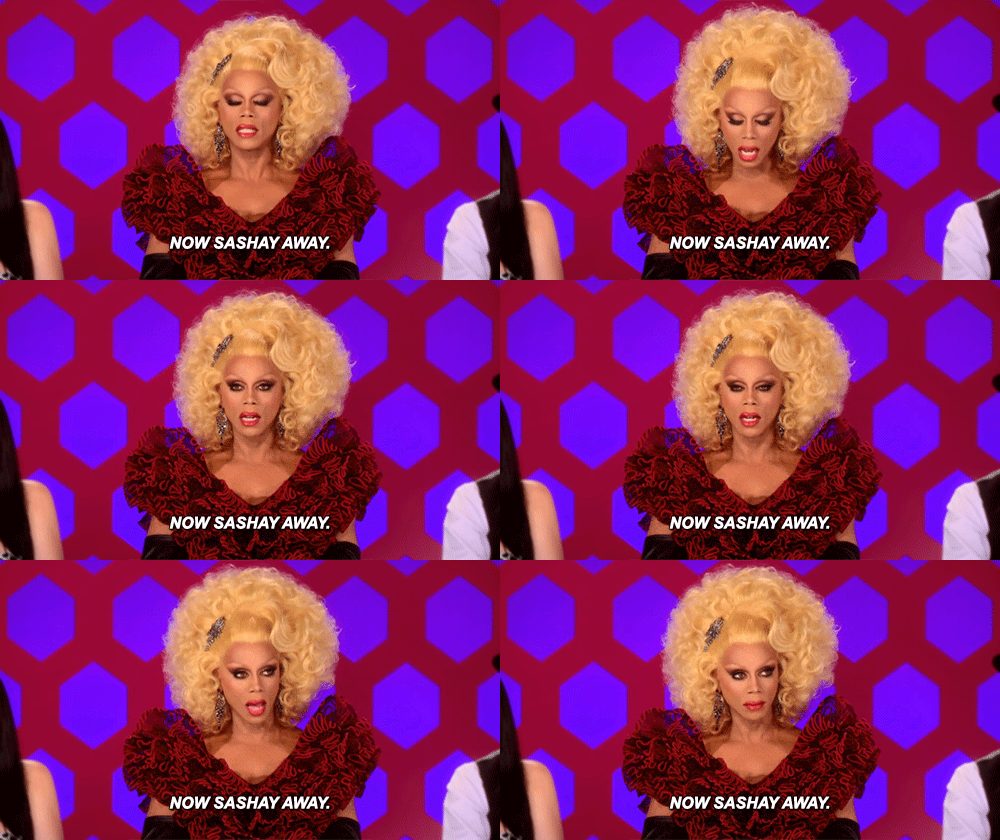
At the same time on the Drag Race reality show, the queens as well as the audience are reminded of the root of the word with a mini challenge called “The Library is Open” where the queens have to “read” one another just like in the old tradition of Paris is Burning, while being reminded by RuPaul that “reading is what? Fundamental”. Making this a clear representation of how Drag culture has been able to cross over into today’s mainstream society even through vocabulary.
Chapter 4: The Future of Drag
The art form of drag has come a long way throughout 20th and 21st century, evolving into the phenomenon that we know today. Thanks to RuPaul, the Drag Race franchise and those who fought for the rights of queer people in the United States, the art form of drag has gained acceptance, support and recognition among communities around the world. In today’s political climate, drag is important as it creates a sense of belonging and empowerment to those who have ever felt marginalized for being different.
Drag Race has also allowed younger generations to understand and value the importance of diversity, inclusion, acceptance and respect among all humans. Not to mention the influence the show has had on the younger generations of queer people that have grown up watching the show throughout the last eleven years. Providing them with role models, knowledge, history and understanding that will allow them to continue the fight for LGBT rights around the world.

Finally, we can expect the Drag Race franchise to keep growing in the next few years as the popularity of the show continues to reach new audiences. We can also expect to see more spin-offs of the show appearing around the world as well as more drag queens making crossovers into the mainstream. As well as new variations of the art form appealing to more people, making the practice of drag more common throughout different genders and perhaps the creation of an all genders version of the show.
 POSH WORLD ☆